TheJavaSea.me Leaks AIO-TLP371: What You Need to Know About the Online Leak Mystery

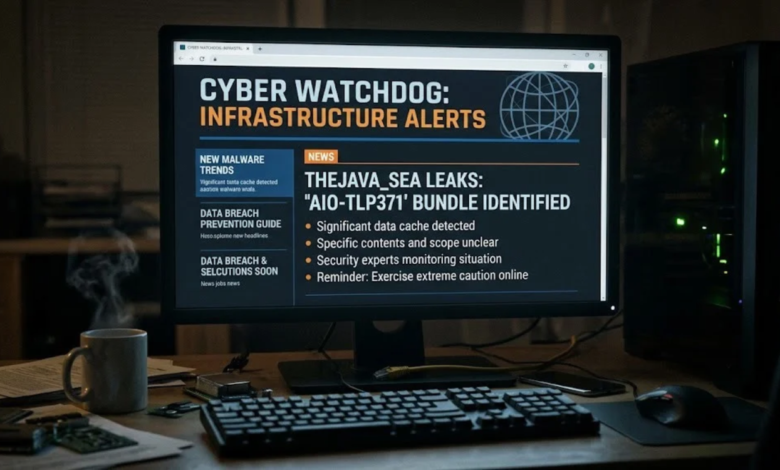
The keyword “thejavasea.me leaks aio-tlp371” has attracted attention because it combines a website name with language associated with digital leaks. People searching for it may want to understand the meaning of the identifier, investigate claims they have encountered, or learn whether their personal information could be at risk.
However, the existence of online discussions does not establish that a particular database was breached. It is important to distinguish between an allegation, an archive label, TheJavaSea.me Leaks AIO-TLP371 and a verified security incident.
A responsible explanation should therefore avoid claiming that the material definitely contains passwords, financial records, private messages, or other sensitive information unless reliable evidence supports those statements.
Potential Cybersecurity Risks Associated With Unverified Leak Files
Although the precise nature of TheJavaSea.me Leaks AIO-TLP371 remains unclear, unknown files and websites associated with alleged leaks can present genuine security risks.
One concern is malware. A download advertised as a database or archive may contain executable files, malicious scripts, or documents designed to exploit vulnerabilities. Opening suspicious files can compromise a device or expose personal information.
Phishing is another concern. TheJavaSea.me Leaks AIO-TLP371 Websites that promise access to exclusive or restricted content may imitate login pages, request unnecessary personal details, or encourage visitors to install questionable software.
There is also a privacy risk. Material advertised as leaked information may include personal details belonging to people who never consented to its distribution. Downloading, sharing, or republishing such information can compound the harm.
These risks do not prove that a specific AIO-TLP371 file contains malware or stolen information. They explain why unknown leak-related downloads deserve caution even when their authenticity has not been established.
How to Protect Your Personal Information
You do not need to download an alleged leak to take sensible precautions.
Start by reviewing the security of your important online accounts. If you suspect that a password has been exposed, change it on the affected service and anywhere else you reused it. Use unique passwords for email, banking, social media, and other important accounts.
Enable multifactor authentication wherever possible. This adds another layer of protection beyond a password and can make unauthorized access more difficult.
Check recent account activity for unfamiliar logins, password-reset requests, or unexpected security notifications. If you notice suspicious activity, follow the service provider’s official account-recovery process.
Keep your operating system, browser, and security software updated. Updates frequently address vulnerabilities that malicious files and websites may attempt to exploit.
If you want to investigate whether your email address appears in known breaches, use a reputable breach-notification service rather than an unknown download site. Remember that such services have limitations and cannot guarantee that every exposure will be detected.
How to Evaluate Reports About AIO-TLP371
Readers should evaluate online reports carefully before accepting their claims.
First, look for an identifiable original source. A report that refers only to anonymous posts or other blogs provides limited evidence. Multiple articles repeating the same statement do not necessarily represent independent confirmation.
Second, look for statements from an affected organization, a recognized cybersecurity researcher, or a relevant regulator. These sources may provide information about the incident’s scope, timeline, and potential impact.
Third, distinguish technical evidence from speculation. A precise file name or a confident description does not establish the authenticity of the material. Credible investigations explain their methods and acknowledge what they could not verify.
Finally, check the dates. The date an article was published is not necessarily the date of a breach, and an archive circulating today may contain older material.
Applying these principles helps readers avoid spreading misinformation while remaining alert to legitimate security concerns.
Legal and Ethical Considerations
Alleged data leaks raise questions that go beyond technology. Information can be shared online without the permission of its owner, and distributing it further may violate privacy rights, confidentiality obligations, copyright rules, or other applicable laws.
The legal position depends on the material, the circumstances, and the jurisdiction. Readers should not assume that information is lawful to access simply because a website makes it available.
A safer approach is to avoid downloading or redistributing questionable files, refrain from publishing other people’s private information, and report suspected exposure through appropriate official channels.
Organizations that discover a potential breach should investigate through authorized security professionals and follow relevant notification requirements.
Why Accurate Reporting Matters
The popularity of a search term can create pressure to publish dramatic claims quickly. However, strong technology journalism requires more than repeating an attention-grabbing headline.
For AIO-TLP371, the most useful reporting separates what is observable from what remains uncertain. The keyword is discussed online, but the exact meaning of the identifier, the origin of the alleged material, and the scope of any associated incident have not been independently established by the sources reviewed.
This does not prove that no underlying exposure exists. It means that stronger evidence is needed before describing it as a confirmed breach.
Accurate reporting also helps readers focus on the actions that matter: protecting their accounts, avoiding suspicious downloads, and relying on credible security information rather than speculation.
Conclusion
The keyword “thejavasea.me leaks aio-tlp371” refers to online discussions about an alleged leak or archive identifier associated with TheJavaSea.me. Although the term appears across multiple websites, its presence in search results does not independently confirm the contents, origin, or authenticity of the material. Readers should be cautious about unverified claims, avoid suspicious downloads, and strengthen their account security where necessary. By prioritizing verified evidence, responsible reporting, and practical cybersecurity habits, ihmagzine aims to help readers understand emerging internet topics without confusing speculation with established facts.
Read More: Euroyungs Com: Website Overview, Features, Credibility, and Safety Guide